AI
OpenAI DevDay 2025 Shows the AI Ecosystem Playbook
Takeaways from OpenAI DevDay 2025: Apps SDK, AgentKit, Codex, and a slate of APIs that turn ChatGPT into the primary workspace.
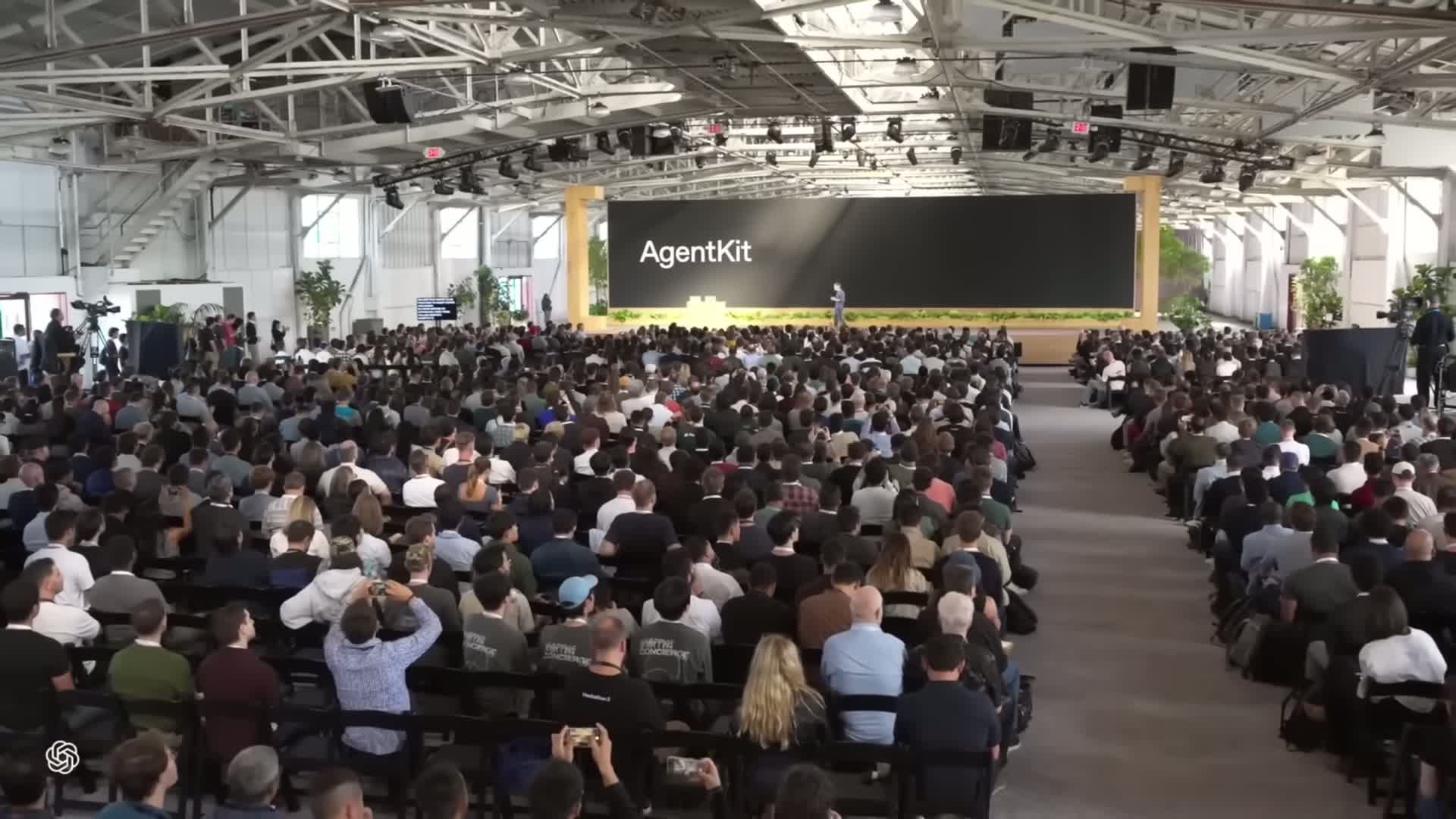
OpenAI is finished showing off isolated breakthroughs and is now stitching a complete software ecosystem around ChatGPT. Instead of flashy demos, the keynote leaned on tools that make the assistant the universal entry point for work. Everything else—agents, coding, even media generation—slots neatly behind that front door.
Apps SDK: ChatGPT becomes the workspace
Apps SDK is OpenAI’s answer to the persistent question “Can a language model be more than a clever plug-in runner?” The video walks through the DevDay demo where a single chat session orchestrates Canva layouts and Zillow listings without tab-switching. Because the SDK taps the Model Context Protocol (MCP), those apps inherit the full conversation history—no retyping briefs, no re-uploading assets. Apps behave like native widgets: they surface precisely when the model knows you need them, share state with one another, and persist across fresh conversations.
The point isn’t raw novelty. It’s that a large language model now finishes tasks. Apps SDK turns tool use from a textual hand-off (“here’s the result”) into a guided workflow (“I changed the poster and booked the venue while you watched”). ChatGPT’s memory and UI rendering make that feel like a desktop, not a chat log.
AgentKit: shipping agents without boilerplate
2025 has been called the “agent year,” but most teams still bounce off real deployments. AgentKit is OpenAI’s attempt to drop that barrier. The DevDay segment highlighted three layers:
- An Agent Builder canvas where flows are sketched with just three node types (Agent, End, Note) and three routing strategies (conditional branches, concurrent execution, and user approval). Even first-time builders can trace a support workflow end to end.
- ChatKit for dropping a branded, production-ready chat surface into any product, and Connector blocks that bind agents to company systems—CRMs, order databases, ticketing tools—without hand-rolling APIs.
- Reasoning Fine-Tuning (RFT) access so developers can teach GPT-5 not only what to answer but when to call a tool and in what sequence, plus an Evals board to replay failures, compare prompts, and tighten error handling.
The video is candid that AgentKit doesn’t magically solve every reliability headache—multi-tool fault tolerance and data governance still require care—but it finally gives teams a native, observable stack to iterate on agents instead of stringing together hobby scripts.
Codex graduates to conversation-first coding
Sam Altman’s update pegged Codex at 40 trillion processed tokens since August, making it OpenAI’s fastest-growing product. DevDay elevated it from “research preview” to the primary programming surface, and the recap outlines three enterprise-friendly upgrades:
- Slack integration so troubleshooting, snippet generation, and bug triage happen right where engineering teams already chat.
- A Codex SDK that lets companies embed code review, doc generation, or migration helpers directly into internal pipelines rather than treating Codex as a one-off assistant.
- New admin dashboards with environment controls, real-time usage analytics, and ROI reporting to keep security teams comfortable.
DevDay’s live demo—requesting a scrolling attendee roster by voice and watching Codex patch the React front end in seconds—reinforces the vision: coding shifts from text editing to conversation. You emit requirements; the agent edits and ships.
API drops: GPT-5 Pro, Real-time mini, Sora 2
The rest of the keynote doubled down on accessibility:
- GPT-5 Pro API is no longer invite-only, so indie developers can wield the same long-context, multi-modal reasoning previously reserved for flagship partners.
- GPT Real-time mini slashes latency and costs by roughly 70% while keeping emotional prosody and accent robustness, widening the runway for voice-first apps.
- Sora 2 API graduates the viral app into an ecosystem service, letting creators wire cinematic video synthesis into commerce, education, or storytelling products.
Each release lowers the friction to anchor an entire experience inside OpenAI’s stack.
The strategy behind the stage lights
Best Partner’s commentary closes on an important tension: OpenAI’s early mystique was about chasing AGI moonshots, but DevDay 2025 reads like a classic platform land grab. Apps SDK, AgentKit, and Codex pull developers inward; the API tier keeps them there. It’s brilliant business, yet it also raises the question of whether the march toward general intelligence becomes a footnote to ecosystem control.
For builders, the signal is clear—meet users inside a single conversational hub and let agents, SDKs, and media models handle the heavy lifting. For everyone else, it’s a reminder to ask who owns the workflow when every decision starts in the same chat window.
My Personal Amazon Picks
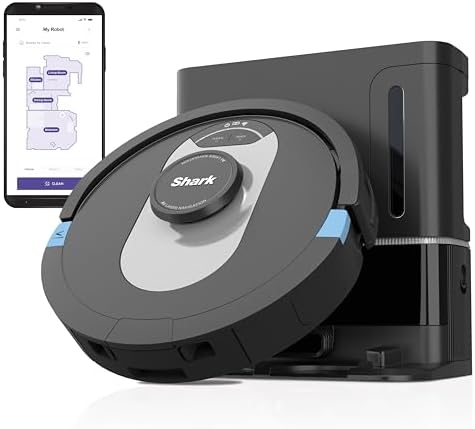
Shark AI Ultra Robot Vacuum
Matrix Clean charts every room, grabs the mess, then offloads dust into a 60-day HEPA self-empty base.
- Hands-free scheduling and voice/app control with precise home mapping.
- Anti-allergen filtration traps pet dander while the self-empty dock handles the bin.
Join the discussion
Thoughts, critiques, and curiosities are all welcome.